
Fixing a cracked sidewalk is a vital maintenance task that combines safety, aesthetics, and property value preservation. This comprehensive guide explores the primary causes of sidewalk damage ranging from harsh weather cycles to intrusive tree roots and provides a detailed roadmap for both minor and major repairs. We will cover the essential safety protocols, the specific materials like concrete crack sealers and patching compounds required for the job, and a step-by-step breakdown of how to address different types of fractures. Whether you are performing a quick DIY cement patch for small cracks or evaluating the need for professional slab replacement, this article ensures you have all the technical knowledge to achieve a durable, long-lasting finish while avoiding common pitfalls and future structural issues.
Understanding Sidewalk Damage
Sidewalks are constantly exposed to environmental stressors that compromise their structural integrity over time. The most common cause of damage is the natural aging process of concrete, which is often accelerated by extreme weather conditions. For example, the freeze-thaw cycle forces concrete to expand and contract until it eventually snaps. Additionally, the silent pressure from underlying tree roots can lift entire sections of a walkway, leading to uneven surfaces and deep fractures. Heavy vehicle traffic on residential paths not designed for such weight also contributes significantly to premature wear.
Identifying the specific type of damage is the first step toward an effective fix. Small hairline cracks might seem purely cosmetic, but if left unattended, they allow water to seep into the base. This moisture leads to deep cracks or completely detached slabs over time. Ignoring these issues creates significant liability risks, as uneven sidewalks are notorious trip hazards that can lead to injuries and legal complications. By following proactive sidewalk maintenance tips and understanding these risks, homeowners can prevent minor surface issues from evolving into expensive structural failures.
Safety Precautions Before Repairing Sidewalks
Before you begin any concrete sidewalk repair, establishing a safe working environment is mandatory. You must equip yourself with personal protective equipment, including heavy-duty work gloves to prevent chemical burns from wet cement. You should also wear safety goggles to shield your eyes from flying debris during the cleaning phase and a dust mask to avoid inhaling silica dust. Beyond personal safety, it is equally important to protect the public. You should clearly mark the construction zone using bright cones or caution tape, especially if the repair is located in a high-traffic area. This prevents pedestrians from accidentally stepping into wet materials, ensuring both their safety and the integrity of your quick sidewalk repair.
Materials Needed for Sidewalk Crack Repair
Selecting the right sidewalk repair materials is the difference between a temporary fix and a permanent solution. For narrow gaps, a high-quality concrete crack sealer or a flexible liquid filler is ideal as it moves with the concrete’s natural expansion. However, for deeper voids, you will require a more robust patching compound or a specialized DIY cement patch mix that offers higher bonding strength. In addition to the compounds, you will need a variety of tools like a masonry chisel and hammer for prepping the crack, a stiff wire brush for cleaning, and various trowels for a smooth finish. If the entire surface looks worn but is structurally sound, investing in concrete resurfacing materials can provide a uniform, brand-new appearance without the cost of a full pour.
Step-by-Step Guide to Fix Sidewalk Cracks
Small Crack Sidewalk Repair
For minor blemishes, the process of sidewalk crack filling is relatively straightforward but requires precision. The first step involves meticulously cleaning the crack to remove all organic matter, dirt, and loose pebbles. Any debris left inside will prevent the filler from bonding correctly. Once cleaned, you apply the filler slowly to ensure it reaches the bottom of the gap while avoiding air pockets. These easy sidewalk repair techniques conclude with smoothing the surface using a small trowel or putty knife. This thin layer not only improves the look of the walkway but acts as a waterproof barrier that significantly extends the life of the concrete.
Large Crack or Damaged Slab Repair
When dealing with wider fractures or shifting concrete, the repair becomes more technical. You must first chisel out the crack to create an inverted V shape, which helps the new cement sidewalk repair mix lock into the old structure. After removing the loose chunks, the area must be dampened slightly to prevent the old concrete from sucking the moisture out of the new patch too quickly. Filling the area with a high-strength patching compound requires firm tamping to ensure density. To repair uneven sidewalks, use a long straightedge or leveling tool to bridge the gap between the new patch and the surrounding slabs, ensuring a seamless transition that eliminates trip hazards.
Full Replacement vs Patching
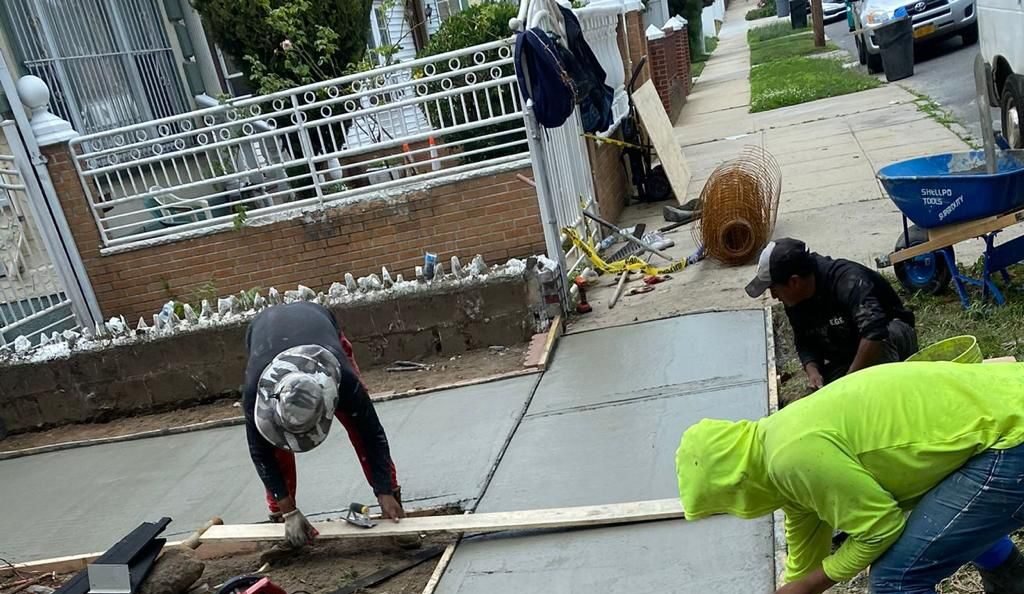
There comes a point where repairing outdoor walkways through patching is no longer viable. If a sidewalk slab has crumbled into multiple pieces or has been tilted at a sharp angle by tree roots, a full replacement is the only logical choice. This involves a labor-intensive process of breaking up the old concrete, excavating the area to fix the underlying soil or root issues, and pouring fresh concrete into a wooden form. While the sidewalk repair cost for a full replacement is significantly higher, it provides a clean slate and solves the root cause of the damage, which a simple patch can never achieve.
DIY Sidewalk Repair vs Professional Services
Deciding between a DIY sidewalk repair and hiring a professional depends largely on the scale of the damage and your level of expertise. DIY projects are incredibly cost-effective for surface-level issues and provide a sense of accomplishment for homeowners looking for a quick sidewalk repair. However, for large-scale projects involving structural leveling or municipal property, hiring a professional sidewalk repair service is often mandatory. Professionals have the heavy machinery required for precision leveling and ensure that the finished product adheres to local safety codes and durability standards.
Tips for Preventing Future Sidewalk Cracks
Maintaining your sidewalk is an ongoing process that goes beyond the initial fix. To prevent sidewalk cracks from returning, you should apply a high-quality concrete sealer every two to three years to protect against moisture and UV damage. It is also crucial to manage the landscape around your walkways. Ensure that your gutters and downspouts do not dump water directly onto the concrete, as this can erode the supporting soil. Implementing root barriers for nearby trees and practicing consistent concrete maintenance tips will ensure that your outdoor paths remain pristine for decades.
Cost and Time Considerations
The financial and time investment for sidewalk repair varies based on the severity of the damage. A simple crack fix can be completed in an afternoon for the price of a few tools and a tube of sealer. In contrast, an emergency sidewalk repair involving slab lifting or replacement can take several days and cost hundreds of dollars. It is important to account for cure time because even a quick sidewalk repair requires the concrete to sit undisturbed for at least 24 to 48 hours before it can handle full weight. Understanding these factors helps you plan your project without disrupting your daily routine or breaking your budget.
Conclusion
In summary, maintaining a safe and attractive walkway requires a combination of vigilance and the right techniques. By addressing issues early, whether through a small crack sidewalk repair or by seeking professional sidewalk repair for major damage, you protect both your property and the people who use it. Prioritizing safety through the use of protective gear and following a disciplined, step-by-step approach will yield a professional-grade result. Furthermore, staying consistent with inspections can save you from the burden of unexpected costs and complex renovations in the future. Investing a little time today ensures that your sidewalks remain a durable and welcoming part of your home for many years to come. Do not hesitate to start your repair journey, as a well-maintained path is the first sign of a well-cared-for home.
FAQs
How much does it cost to repair a cracked sidewalk?
The cost typically ranges from $20 for a basic DIY kit to over $1,000 for professional slab replacement, depending on the length and depth of the damage.
Can I repair sidewalk cracks myself?
Yes, most homeowners can successfully manage sidewalk crack filling and minor patching with basic tools and materials found at any hardware store.
How long does sidewalk repair last?
A well-executed patch can last 3 to 5 years, while a full slab replacement or a professionally sealed surface can remain in excellent condition for over 20 years.
What tools are needed for DIY sidewalk repair?
You will generally need a hammer, masonry chisel, wire brush, trowel, bucket for mixing, and safety equipment like goggles and gloves.
How can I prevent future sidewalk cracks?
The best methods include applying a waterproof sealer every few years, ensuring proper soil drainage, and using root barriers to keep trees from lifting the concrete slabs.