Got a sidewalk violation notice from the NYC Department of Transportation? Here is the short version: the clock starts the day it is issued, and you have 75 days to make the repairs before the city can step in, do the work itself, and send you the bill, which is almost always far more than a contractor would have charged. Worse, the violation is filed with the County Clerk, so until it is cleared you cannot cleanly sell or refinance the property.
This guide walks you through exactly what the notice means, how to clear it the right way, what it costs, and how to keep it from turning into a lien.
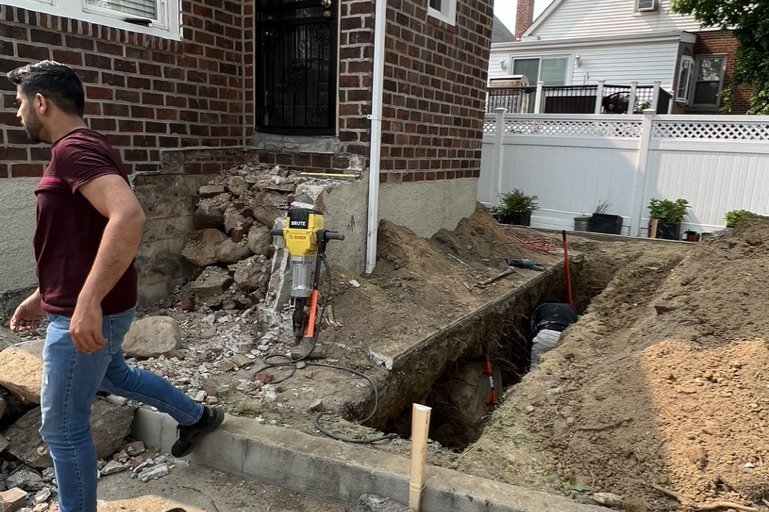
When a DOT inspector finds a defect in the sidewalk in front of your property, they issue a Preliminary Inspection Report. It comes with a diagram of your property showing the exact "flags" (sidewalk sections) marked as defective. A copy is filed with the County Clerk's office against your address.
A few things people get wrong about it:
So the notice is really a countdown, not a bill. What you do in the next 75 days decides whether this stays cheap or gets expensive.
Here is a realistic way to use the window instead of scrambling at day 74:
Miss the window and the city can send its own crews, repair the sidewalk at its rate, and bill you, on top of placing a lien on the property. That is the outcome this whole process exists to avoid.
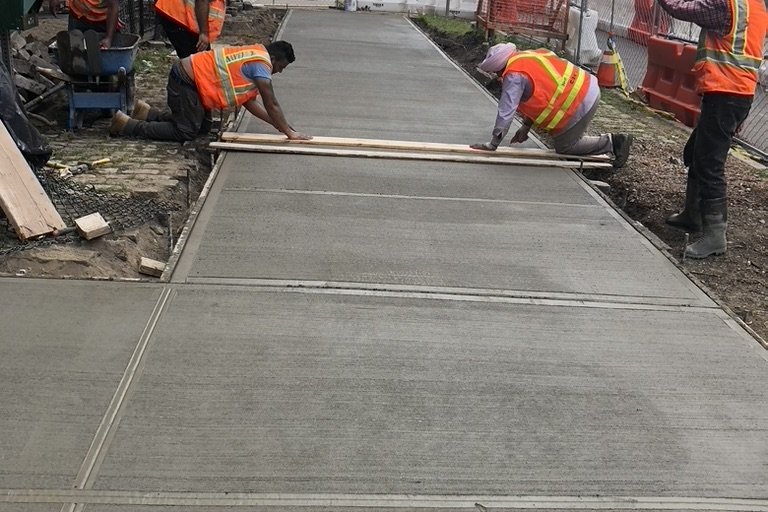
Nothing, at first, which is exactly why people let it slide. Then one of two things happens: you try to sell or refinance and the open violation blocks the deal, or the 75 days pass and the city does the work and attaches the cost to your property as a lien. Either way you end up paying more, with less control over who does the job and how it looks.
There is one narrow liability exception worth knowing: if someone is injured on a defective sidewalk in front of an owner-occupied 1-, 2-, or 3-family home used purely as a residence, liability for the injury may fall on the city instead of the owner. That exception is about injury claims, not about who has to repair the sidewalk. The repair is still yours.
The diagram tells you exactly which sections failed and why (cracks, trip hazards, uneven flags, tree-root heaving). You only have to correct what is marked, though a good contractor will flag anything else likely to fail soon.
This matters. When a contractor does the work, the contractor must be registered with NYC DOT and pull the permit. Homeowners doing the repair themselves can apply for a permit by mail, but for anything beyond a single small flag, most owners hire it out. Check that whoever you hire is properly licensed with the Department of Consumer and Worker Protection (DCWP).
The construction permit currently runs about $70 per 300 linear feet of sidewalk for a single property. That fee also covers the dismissal inspection later, so it is not a separate charge.
This is where a cheap job comes back to haunt you, because the dismissal inspector checks the details:
Once the concrete has cured, call 311 and request a Sidewalk Violation Dismissal Inspection. Have your permit number, property address, block and lot number, and the violation number ready. A DOT inspector comes back out to verify the work.
When the repair passes inspection, the violation is dismissed and removed from city records, and the cloud on your title is gone.
Sidewalk repair in NYC generally runs in the range of $10 to $20 per square foot, depending on the size of the job, how much has to be demolished, curb work, and access. Add the permit (about $70 per 300 linear feet). The number that should scare you is not the contractor's quote, it is what the city charges when it does the work for you after day 75, which is consistently higher and out of your hands.
Tree-root heaving is one of the most common reasons flags fail in NYC, and if the tree belongs to the city, you can apply to the Parks Department's Trees & Sidewalks Program for an inspection; in qualifying cases they may cover the repair. That process is slow, though, and it does not pause your 75-day clock. The safe move is to address the violation now and pursue the Parks route in parallel.
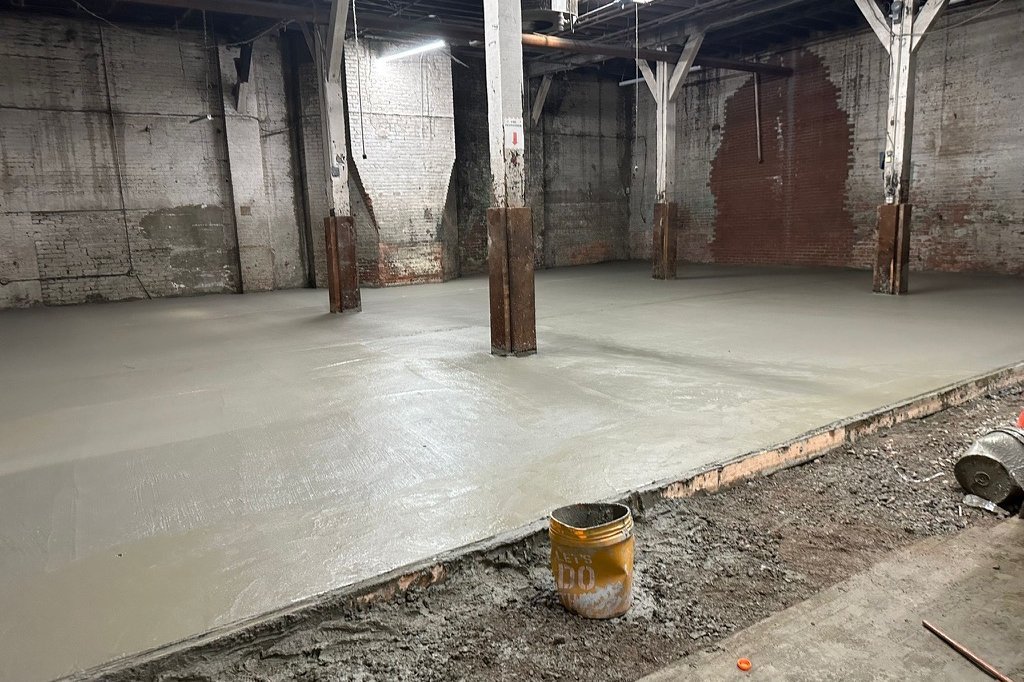
At Sidewalks Repair NYC we do one thing, sidewalks, and we handle DOT violations from start to finish: we read your notice, inspect the flags, pull the permit, complete the repair to DOT spec, and schedule the dismissal inspection so the violation comes off your record. If you just received a notice, do not wait for day 74.
